
About Me
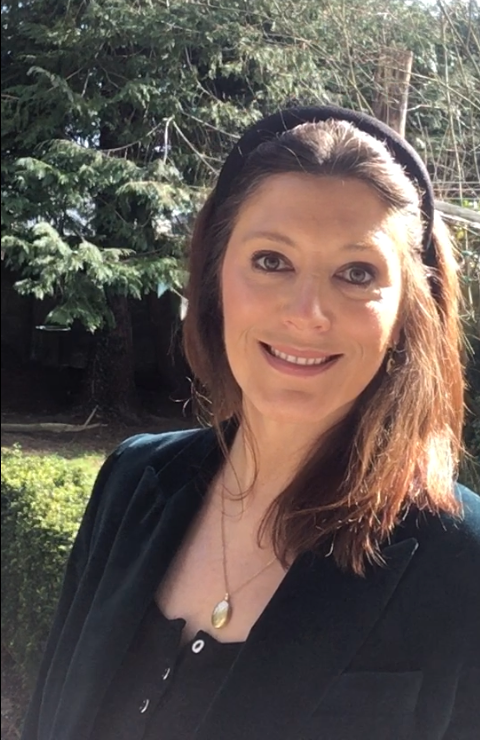
My journey into mindfulness began through my own lived experience of anxiety, stress, and overwhelm. I was first introduced to mindfulness meditation in 2012, and it had a profound and lasting impact on how I related to myself and my life. What began as a personal support gradually grew into a deep professional and academic commitment.
I hold an MSc in Mindfulness Studies (Distinction) from the University of Aberdeen. My research focused on the efficacy of mindfulness-based interventions for individuals experiencing chronic stress-related conditions, trauma, and PTSD. My particular interests lie in burnout, prolonged stress, and nervous system dysregulation, and in how mindfulness-based approaches can support regulation, resilience, and recovery.
Alongside my academic background, I am a fully trained and qualified mindfulness meditation teacher, having completed teacher training with the Mindfulness Association UK. I work in line with the British Association of Mindfulness-Based Approaches (BAMBA) Good Practice Guidelines and Teaching Standards, and I engage in regular Continuing Professional Development (CPD) and supervision to ensure my teaching remains ethical, current, and responsive to those I support.
My Approach to Mindfulness
My approach to teaching mindfulness is grounded in sustained personal practice, academic study, and professional training within recognised standards.
I teach mindfulness meditation as a practice of awareness and inquiry, rooted in the Vipassanā tradition and informed by contemporary research, particularly in relation to trauma, stress, and mental health. This work is not about positive thinking, relaxation, or self-improvement. Rather, it is about learning how to meet experience — pleasant, unpleasant, and neutral — with greater clarity, compassion, and stability.
In my teaching, I place particular emphasis on:
Clear and honest framing of practices and intentions
Trauma-sensitive pacing, language, and choice
Ethical teaching, reflection, and ongoing supervision
Respect for individual differences, capacity, and limits
Mindfulness is not always easy, and it is not always comfortable. When taught with care, and compassion, however, it can support deeper understanding, increased resilience, and greater freedom in how we relate to our lives.